A Facility Administrator’s Guide to Choosing the Right Correctional Pharmacy Partner
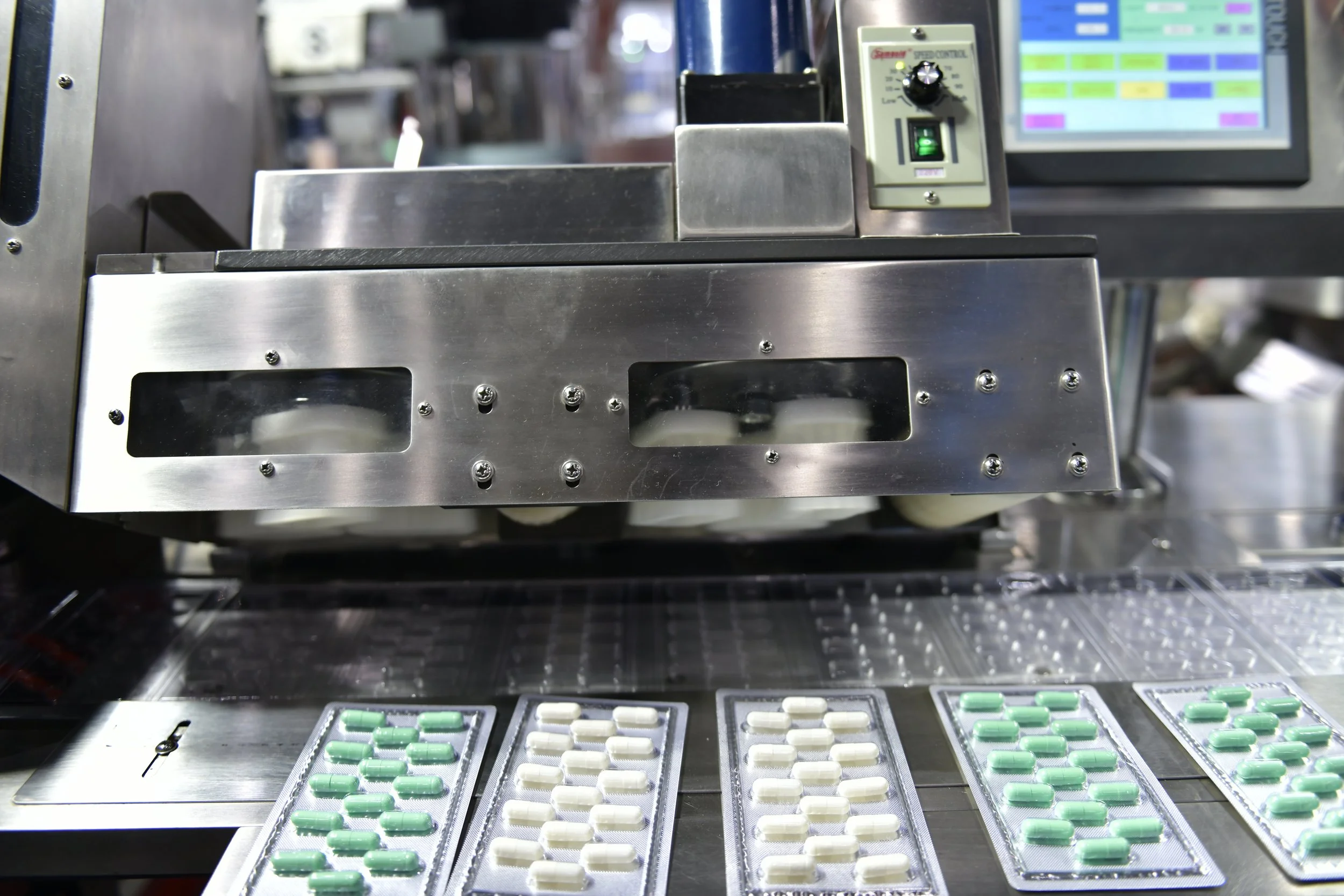
Correctional healthcare is one of the most challenging environments in the medical field. Tight budgets, fluctuating populations, strict security protocols, and nonstop medication demands make pharmacy performance a cornerstone of successful facility operations. Choosing the right correctional pharmacy partner isn’t just a purchasing decision—it directly impacts safety, staffing, compliance, and quality of care.
If you're evaluating options, here are the core criteria every administrator should consider.
1. Accuracy and Automation Are No Longer Optional
The days of relying on manual workflows for medication passes are fading fast. Facilities facing staffing shortages are turning to automation—unit-dose packaging, bar-coding, and digital verification—to ensure each dose is accurate and ready to administer.
What to look for:
Automated pouch or unit-dose packaging
Digital dashboards that track orders and reconciliations
Bar-code scanning or verification tools
Systems that reduce med-pass prep from hours to minutes
Automation doesn’t just improve accuracy—it gives your nursing staff time back, lowers stress, and reduces risk.
2. Transparent Reporting and Real-Time Visibility
Medication spend and usage trends play a huge role in annual budgets. A quality pharmacy partner should offer more than deliveries—they should offer insights.
Ask potential partners:
Do we get access to usage reports, cost dashboards, and med-pass metrics?
Can we view order status in real time?
Is there a way to track delays, shortages, or exceptions?
A good pharmacy partner helps you prevent problems, not just react to them.
3. Reliable Delivery and Backup Support
Correctional environments can’t afford delays. A missed delivery or med shortage quickly turns into a security incident or a clinical risk.
Look for partners that provide:
Consistent delivery schedules
Emergency or STAT delivery options
A backup pharmacy network to guarantee continuity of care
Reliability is non-negotiable.
4. Facility-Specific Packaging and Administration Support
No two facilities operate the same way. Your partner should understand your med-pass routes, security requirements, unit layout, and staffing realities.
Important considerations:
Do they tailor packaging (pouch, blister, unit dose) to your workflow?
Can they adjust delivery frequency for your population swings?
Will they work directly with your leadership team to streamline med pass?
Your pharmacy partner should feel like an extension of your staff—not a one-size-fits-all vendor.
5. Clinical Oversight and Formulary Management
Managing medication cost doesn’t just mean negotiating prices. It means making smart clinical decisions with expert guidance.
A quality partner should offer:
Consultant pharmacists
Formulary development and maintenance
Drug-use reviews and generic substitution strategies
Participation in your P&T or clinical meetings
The right guidance can save thousands of dollars each year without compromising care.
6. Training, Onboarding, and Responsive Support
Transitioning pharmacy providers shouldn’t be painful. Look for a team that makes onboarding smooth and stays engaged long after the switch.
Evaluate:
How hands-on is their implementation team?
Will they train your nursing and medical staff?
Do they provide a dedicated account manager?
How quickly do they resolve issues?
Support is one of the biggest differentiators between average and exceptional pharmacy partners.
Final Thoughts
A strong correctional pharmacy partner does more than fill prescriptions—they strengthen your operations, improve staff efficiency, protect your budget, and elevate the standard of care.
If your facility is ready to modernize its medication management, choosing a partner built specifically for correctional environments is the most important decision you’ll make.